On Road Mobility Scooters: A Simple Definition
On Road Mobility Scooters Mobility scooters are a comfortable, convenient and efficient way to travel. There are rules to follow when using these devices. This includes respecting pedestrians' rights and yielding to traffic laws. It is also recommended that people purchase a helmet and also get insurance coverage. This will keep them safe and help them avoid penalties. Mobility Scooters in Delaware Mobility scooters are fashionable and practical way for those who have limited mobility to move around. They are extremely useful but it is vital that users are familiar with local laws and regulations prior operating mobility scooters. The rules and guidelines for operating a scooter can differ from state to state. In Delaware, for instance, scooters can be used on sidewalks and walkways for pedestrians, as long as they are operating at a reasonable speed and do not pose a danger to pedestrians or block traffic. In addition, scooters must be equipped with functional lights and reflective materials to enhance their visibility in low light conditions. While helmets aren't required but they are highly recommended to protect themselves from injury in the event of an accident. The majority of scooters come with a small seat with padding on the backrest. It can be swivelable or fixed in the position. Some models also include a headrest, which provides additional support and comfort for the user. In addition, many scooters come with a variety of battery options and speeds and a choice between three or four wheels. Three-wheel scooters offer a more compact and flexible riding experience while four-wheel scooters offer greater stability. Scooters shouldn't be used on public roads. They are not designed to withstand the rigors of high-speed traffic or heavy vehicles. However, certain jurisdictions may allow certain types of scooters be used on side streets or city streets. In these instances, scooters must be tagged and registered with the local transportation authority. 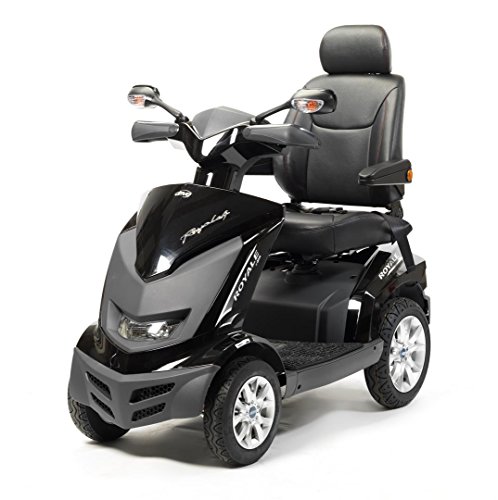 Other than these exceptions, all scooters are required to follow the same rules and rules as pedestrians. This includes obeying traffic signals and yielding other traffic. Drivers must also use crosswalks when crossing streets. It is also crucial that scooters are equipped with safety features such as rearview mirrors, reflectors and headlights. This ensures that other road users are able to see the scooter, reducing the likelihood of accidents and injuries. All scooters should be kept in a secure location so that they don't interfere with traffic or pedestrian access. Mobility Scooters in Kansas On-road scooters are a excellent way to increase mobility. They're lightweight, easy to use, and able to take on different terrains. You'll need to choose one that is suitable for your lifestyle and needs. You should also consider the battery's weight capacity, weight capacity, power, and other features of a specific model prior to making the purchase. The majority of states have laws governing the use of mobility devices on sidewalks and roads. There are some differences between the laws for bicycles and those for mobility scooters. Some states, for example have requirements that mobility scooters be properly stored and have working lights. In addition, the users are urged to wear helmets when operating their scooters. Another important thing to keep in mind when operating a mobility scooter is the safety of pedestrians. In the ideal case the user should yield when they cross pedestrians or pass them. Also, they must adhere to the posted speed limits. This will ensure the safety of both pedestrians and scooter riders. Medicaid can be used to provide mobility scooters for people with mobility issues. State-by-state the requirements and cost will differ. However, the majority of programs adhere to the same guidelines. Medicaid will generally cover the cost of a mobility device if they are medically required, and if they are purchased through a Medicaid-participating medical device supplier. A scooter can be an ideal option for people who are unable to walk, but it's important to be aware of the different rules and regulations of every state. If you are familiar with these laws, you will be able to safely operate your scooter without worrying about possible legal issues. Following these guidelines will allow you to enjoy your mobility scooter, and all the benefits it brings. Chuck's Mobility LLC offers high-quality mobility scooters that help those who are disabled gain their independence. We will assist you in finding the perfect scooter for your needs. Contact us for more information about the products and services we provide. Mobility Scooters in Illinois It's essential to know the rules and regulations for this type of vehicle if you're looking to purchase one. Certain states require that riders wear a helmet and use reflective clothing or accessories to increase visibility. class 3 mobility scooter may require users adhere to speed limits or traffic rules. When it comes to the laws regarding mobility scooters, each state has its own unique set of rules. Many of these laws are similar to those governing pedestrians. These rules usually involve yielding pedestrians and following traffic signals. These rules help to maintain the safety of the environment. Mobility scooters are a great option to restore a sense of independence and let people travel without the need for an assistant. These devices are ideal for those who need to move quickly, for example, to the shops or stops for public transportation or other locations. The most recent models of mobility scooters are designed to offer more stability and efficiency, as well as increased range and battery life. They also come with a range of features that make them easier to use and maintain. Some scooters have rear-viewing mirrors that permit you to look behind your scooter when in traffic. Others feature horns to warn other drivers of your presence. These features allow you to remain visible to other drivers and pedestrians which reduces the chance of collisions and other accidents. In certain states, such as New Hampshire, it is not required to register mobility scooters as vehicles. In certain states, like Texas, mobility scooters can be used on pedestrian walkways, sidewalks and bike lanes provided they don't obstruct pedestrians. However they must be used at reasonable speeds and must adhere to all other rules, such as observing signs and traffic lights. Medicaid mobility scooter coverage is not restricted to the laws and guidelines that govern them. Certain states have additional requirements. In general, you must to meet the income and resource limits and have an approved prescription from a physician to be eligible to be eligible. Mobility Scooters in North Dakota It is important that users understand the laws and regulations governing mobility scooters, as they become more popular. These guidelines will ensure the safety of both riders and pedestrians. It is essential that scooter owners keep their vehicles in line with the manufacturer's guidelines and keep an eye on potential dangers around them. This includes being aware of other motorized scooters that are on the road as well as bicycles and vehicles. Many states have specific rules and regulations for the use of mobility devices on streets, sidewalks and other public spaces. For example, California classifies scooters in an exclusive legal category as they are considered to be motorized devices with two wheels, handlebars and a floorboard. This classification allows scooters to skip some of the insurance requirements that are required for motorized vehicles, for example, an insurance or license. However, the state does have age restrictions for scooter operators. To be able to operate a scooter, individuals must be at least 16 years old. Helmets are required for all scooter users regardless of age. In North Dakota, scooters are categorized as electric personal assistive mobility devices (EPAMDs). This designation makes it easier for people who depend on scooters to use public transportation. North Dakota, unlike some states, does not require EPAMDs be registered or insured so long as they follow the rules and regulations set by the state. Scooters shouldn't be used on roads or highways, because they could pose a risk to other drivers. It is also recommended that scooter riders be courteous to pedestrians and be aware of traffic signals. Anyone looking for assistance in buying a mobility scooter should consider researching disability grants that can assist in the purchase of their new equipment. NDAD provides financial assistance to disabled residents however, some of these grants are only available to US veterans. It is a North Dakota-based nonprofit established by a group of citizens and has been helping people with disabilities in North Dakota for over 40 years.